AdventHealth University offers fast-tracked programs allowing you to begin your medical career sooner. Explore your career options and find your calling.
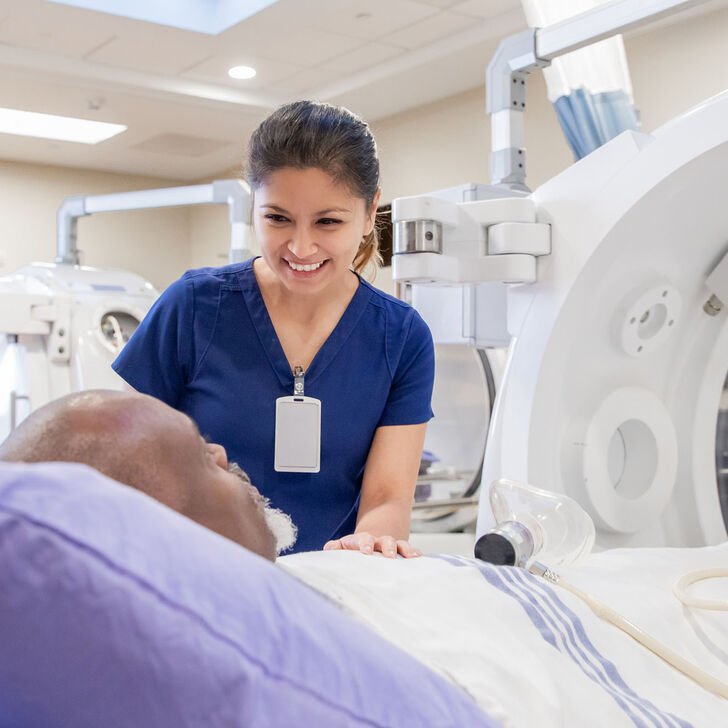
Radiology and Radiography are two important health care professions that may appear similar, but there are distinct differences between the two. Let’s take a look.
By 2030, 1 in 5 Americans will be retirement age, according to the U.S. Census Bureau. As the U.S. population ages, the sonographer job outlook grows more promising.
The foundation of modern diagnostic imaging and radiography was established more than 100 years ago when German scientist Wilhelm Conrad Röntgen first observed X-rays in 1895. In 1901, he was the first to be awarded the Nobel Prize in physics for his
U.S. News & World Report recently ranked the role of Radiologic Technologist No. 13 in its 2021 list of “Best Healthcare Support Jobs” and No. 71 in its 2021 “100 Best Jobs” list.
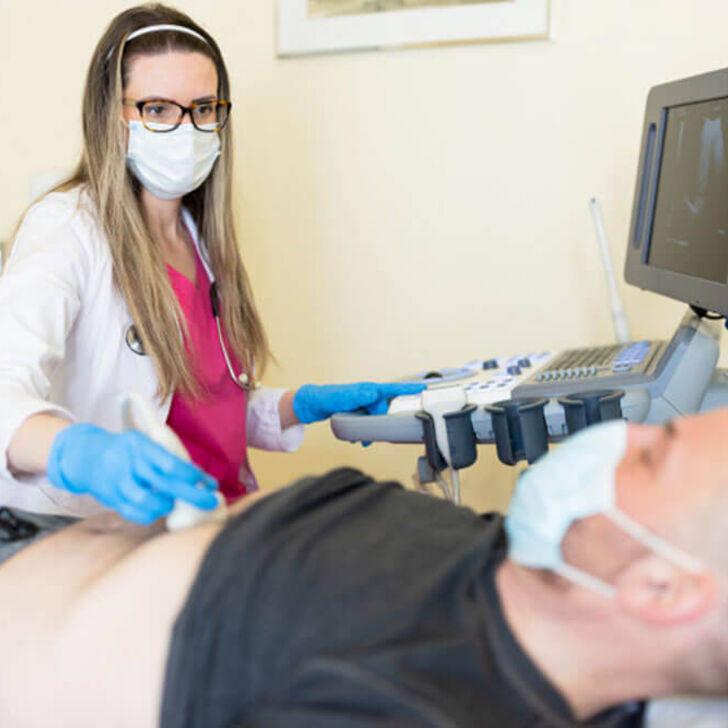
Sonography, also known as ultrasound, is one of the most widely used forms of diagnostic healthcare imaging. Sonography plays an important role in the diagnosis, monitoring, and treatment of a broad range of medical conditions.
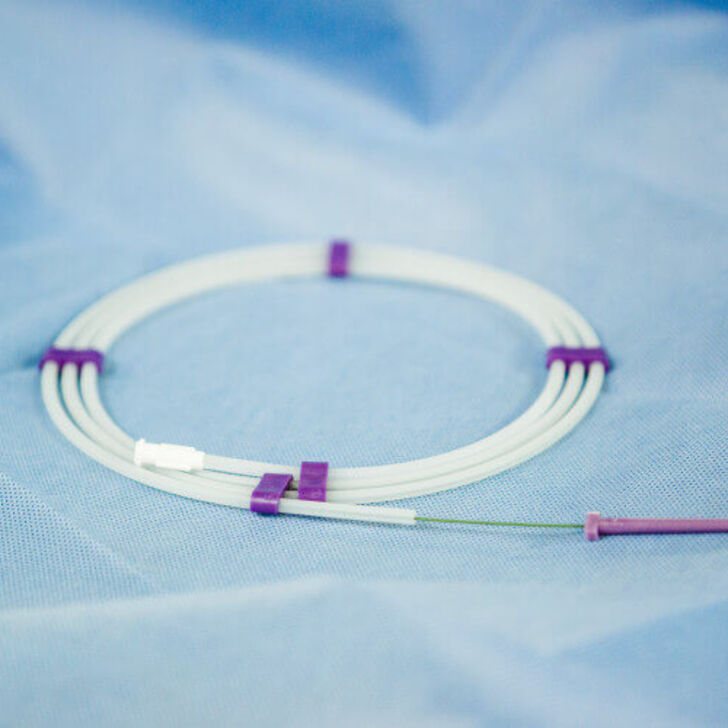
Virtually every area of the industry has benefited from technology, including radiology and medical imaging. For example, vascular interventional radiology uses modern imaging equipment to perform minimally invasive vascular procedures.
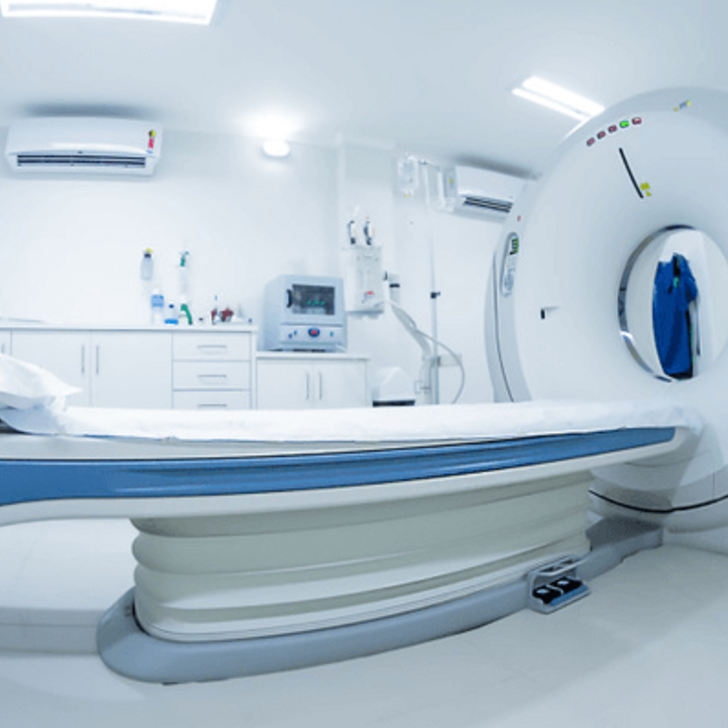
A career as a computed tomography (CT) technologist offers a wide range of opportunities and benefits. Every day, CT technologists use specialized equipment to take images of patients’ bodies, generating scans that assist in diagnosing diseases and