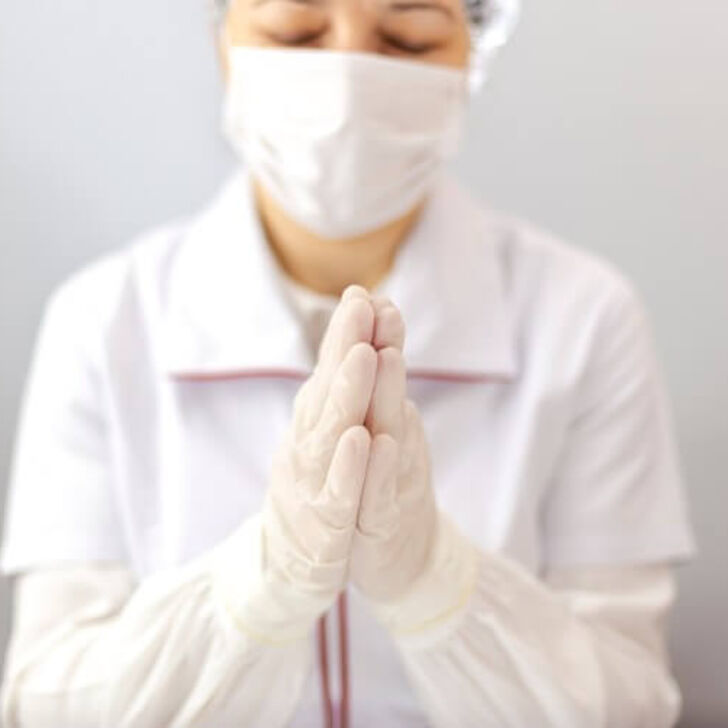
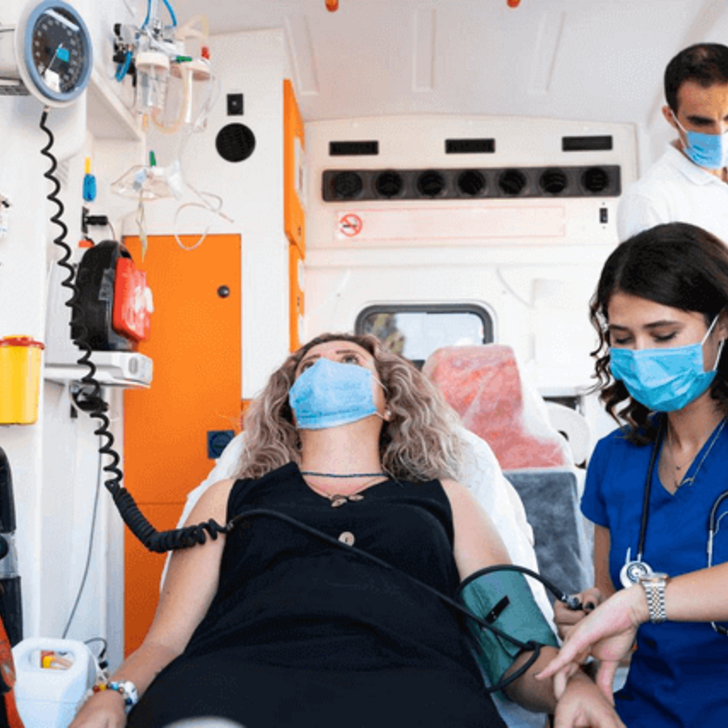
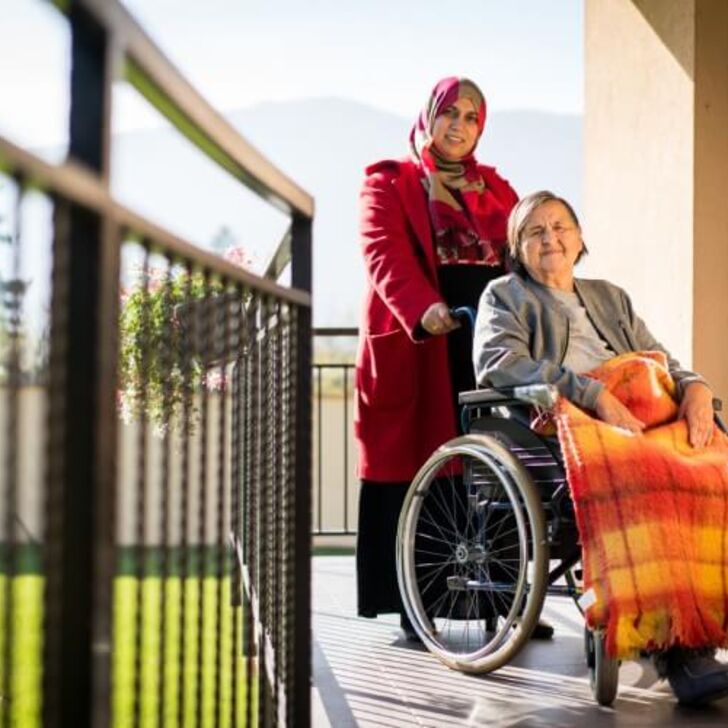
A hospital can be a frightening environment for patients as well as a high-stress work environment for hospital staff. Hospital chaplains help alleviate that fear and stress by providing emotional and spiritual care, also known as pastoral care.
On any given day in a medical facility, the majority of registered nurses and nurse practitioners see three or more patients per hour. This means nurses can interact with some 36 to 48 patients in a single 12-hour rotation.
Disasters, both human-made and natural, can cause severe damage to communities and cities. However, registered nurses and nurse practitioners can plan ahead, strategizing how to help families recover.
A nurse advocate protects patient rights and safety. Learn how advocacy in nursing bridges communication gaps, transforms care, and promotes healthcare equality.
Medical office managers are the gears of a practice: Their work keeps everything running smoothly. They manage entire facilities or healthcare departments, including planning, directing, and coordinating services.
Individuals who are interested in taking on such a key role must often decide between two paths: healthcare management vs. healthcare administration. Although they are similar in some ways, these leadership roles also have distinct differences.
Everyone has their own way of coping with pain and finding hope in times of distress. When walking through a health crisis, many turn to spirituality for comfort, and many people find their spiritual center in religion.